Introduction
In the heart of rural Melbourne, surrounded by the picturesque landscapes of rolling hills and expansive farmland, bushfires present a major threat to both property and lives. With environment modification intensifying these natural catastrophes, it ends up being seriously important for property owners in these regions to consider efficient precaution. One such step is bushfire-resistant fencing. This article intends to guide you through different fencing alternatives that can withstand the severe realities of bushfires while guaranteeing your residential or commercial property remains protected and aesthetically pleasing.
Understanding Bushfire-Resistant Fencing Options for Rural Melbourne Areas
When we speak about "Fencing Melbourne," we are describing a variety of materials and styles that can be utilized to create barriers around properties. However, not all fencing materials are equivalent when it concerns resisting fire. As such, comprehending bushfire-resistant fencing alternatives specifically designed for backwoods is vital for any property owner looking to protect their investment.
What Makes a Fence Bushfire-Resistant?
Bushfire-resistant fences are built with products that have low flammability rankings. This indicates they do not spark quickly or contribute considerably to the spread of fire. Typical features include:
- Fire-Resistant Materials: Choices like metal, masonry, and treated wood can endure high temperatures. Design Considerations: The design ought to decrease areas where ashes might accumulate. Clear Zones: Surrounding the fence with non-flammable landscaping is essential.
Why Is Bushfire Resistance Important?
Given that Melbourne experiences seasonal bushfires, having a fence that can endure flames can suggest the difference between maintaining your home or facing devastating losses. Furthermore, insurance companies might provide better rates or protection choices if you have shown fireproof installations.
Types of Bushfire-Resistant Fencing Materials
When considering fencing solutions in Melbourne's backwoods, various products stand out as especially effective versus bushfires.
1. Steel Fencing
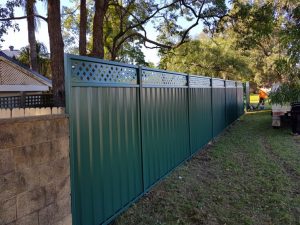
Steel is among the most robust products readily available for fencing and provides outstanding fire resistance.
Advantages of Steel Fencing
- Non-combustible Long life-span with very little maintenance Resistant to pests
Disadvantages of Steel Fencing
- Higher initial costs compared to wood Can be vulnerable to rust without appropriate treatment
2. Masonry Fences
Masonry fences made from brick or concrete deal toughness and high resistance against fires.
Advantages of Masonry Fences
- Highly durable Minimal upkeep required Excellent thermal mass assists in dissipating heat
Disadvantages of Masonry Fences
- High installation costs Requires proficient labor for proper construction
3. Treated Timber Fencing
While untreated timber is highly combustible, cured wood has actually been chemically customized to enhance its fire resistance.
Advantages of Treated Lumber Fencing
- Aesthetic appeal Eco-friendly choices offered
Disadvantages of Treated Timber Fencing
- Requires regular upkeep Potentially expensive depending on treatment approaches
Design Considerations for Bushfire-Fighting Fences
Creating an effective bushfire-resistant barrier surpasses simply picking the best material; style plays an essential role too.
1. Height and Structure
A taller fence may assist obstruct convected heat however must not develop wind tunnels that could sustain fires.
2. Spaces and Openings
Keep gaps minimal; embers can enter through small openings and spark quickly if there's flammable material nearby.
3. Landscaping Around the Fence
Consideration should also be offered to the area surrounding your fence-- non-flammable plants and clear zones can significantly reduce fire risks.
Building Codes and Laws in Rural Melbourne Areas
Before setting up any kind of fencing, it's essential to check local building codes connected to fire safety policies in rural areas around Melbourne.
1. Regional Council Guidelines
Check with your regional council relating to authorized https://topfencing.com.au/ materials and designs; adherence makes sure compliance with security requirements targeted at mitigating bushfire risks.
2. Fire Safety Standards by CFA (Country Fire Authority)
The CFA supplies guidelines on what makes up a safe structure relating to bushfires; examining these resources will empower house owners in making informed decisions.

Cost Analysis: Budgeting for Bushfire-Resistant Fencing
Investing in bushfire-resistant fencing might appear intimidating financially; nevertheless, it's necessary to view this as a long-term financial investment rather than merely an in advance cost.
|Product Type|Typical Expense per Meter|Life-span|| ---------------------|-----------------------|---------------|| Steel|$150 - $300|50+ years|| Masonry|$200 - $400|100+ years|| Dealt with Lumber|$100 - $250|15 - thirty years|
Note: Prices differ based upon quality and supplier.
DIY vs Professional Installation: What's Best?
Deciding whether you'll install your fence yourself or employ specialists depends on several factors consisting of spending plan, ability level, and time constraints.
1. DIY Installation
Opting for DIY conserves money however requires appropriate understanding about correct setup strategies-- incorrect setup could lead to vulnerabilities throughout a fire event.
2. Working with Professionals
Professionals bring expertise that boosts safety compliance however at a greater cost-- this might likewise save you time and inconvenience throughout installation.
Maintenance Tips for Bushfire Resilience
Regardless of which fencing alternative you pick, routine upkeep is essential for ensuring its durability and effectiveness versus fires:
Inspect regularly for wear or damage. Clear greenery from around the fenced area. Repaint or re-treat surface areas as necessary. Repair any spaces that may enable ashes through.Frequently Asked Questions (Frequently asked questions)
1. What kinds of fences are thought about bushfire-resistant?
Bushfire-resistant fences typically include steel, masonry, treated lumber, or even composite materials particularly created for improved fire resistance.
2. How do I select the best material?
Consider aspects such as budget plan restrictions, visual preferences, regional building codes, and particular ecological conditions distinct to your home when choosing material.
3. Can I install my own bushfire-resistant fence?
Yes! Nevertheless, ensure you follow regional regulations carefully and understand appropriate setup methods or seek advice from specialists if you're unsure.
4. What landscaping options match a fire-resilient fence?
Use non-combustible plants within a defensible area around your property while keeping lawn trimmed brief and getting rid of debris regularly from this area.
5. Are there financial incentives available for installing resistant fencing?
Some insurance provider might provide minimized premiums after proving improvements made towards enhancing fire safety measures; talk to your provider!
6. How often ought to I keep my fence?
Regular examinations a minimum of two times every year are recommended alongside cleaning up particles around it following any considerable weather events like storms or heavy winds.
Conclusion
Navigating through the myriad alternatives available when it pertains to producing safe barriers against prospective fires can feel overwhelming initially glimpse-- however arming yourself with knowledge always settles in spades! By comprehending various bushfire-resistant fencing choices suitable for rural Melbourne areas-- from steel structures boasting sturdiness down to treated timber offering aesthetic beauty-- you're empowered not just to secure yourself however likewise contribute positively towards neighborhood strength in the middle of progressively frequent natural disasters.
As you prepare your next actions in protecting your home against prospective hazards from nature's fury keep in mind: investing carefully into "Fencing Melbourne" not only protects physical possessions but fosters peace-of-mind understanding you've acted versus possible disasters ahead!